Effective Teaching Methods

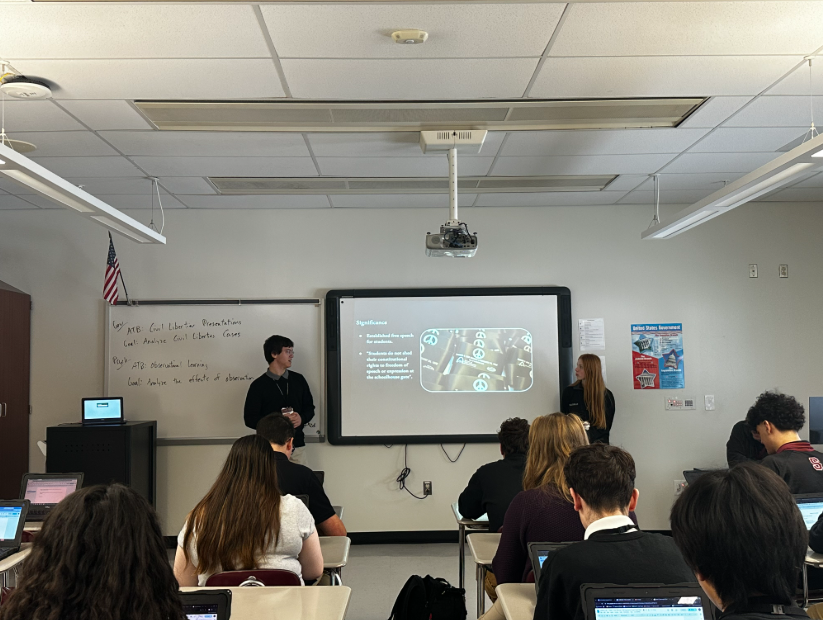

Direct instruction is the most traditional teaching method.
It involves a teacher explaining the topic or lesson to the students, then practicing or guiding the students, and then leaving the students to do it on their own.
This method is used in core classes such as math, science, reading, and social studies.
This method of teaching is similar to didactic instruction, a method in which the teacher is the main source of information.
The style of instruction consists of the teacher relaying information through lectures or demonstrations, and the students passively taking it all in.

Project-based learning is utilized by most creative classes, such as journalism, photography, art classes, etc. The objective of this method of teaching is for students to gain a deeper understanding of the subject, instead of sitting through a passive intake of information.
Projects are given out continuously throughout the course of the class, and they take roughly a week or longer to complete.
Alexis Anders, ‘27, a student taking ceramics, commented, “I, personally, like and prefer classes with projects because I love to do hands-on things rather than courses with a bunch of thinking.”
Sarah Cepin, the teacher in charge of photography, commented, “In my department, project-based learning is the way you have to do it because you can’t learn an art skill without practicing that skill. And it also get a lot more student engagement to be actively involved in something rather than me just telling you how to take a photo.”
When asked about other types of curriculum, she revealed, “I think a balance is nice because I don’t think lecture is ever the way because there are all different types of learners and some need to learn through doing. I think in general projects need to be dispersed into the cirriculum for the lesson to reach all students.”

Gamification is a popular method that is seen in many of SHS’s classes, but the biggest example would be in language classes.
In Spanish and French classes, students are expected to learn their vocabulary in a matter of a couple of days, which can be challenging.
Teachers can speed up the learning process by playing review games in class in the days leading up to quizzes and tests.
Students pick up on the material a lot faster, and with appropriate review: the material sticks.
Amanda Nicholson, a Spanish teacher, voiced her opinion, “I think that by planning interactive activities where students are able to move from their seats work with different students increases motivation and when motivation is increased I think it helps with retention.”
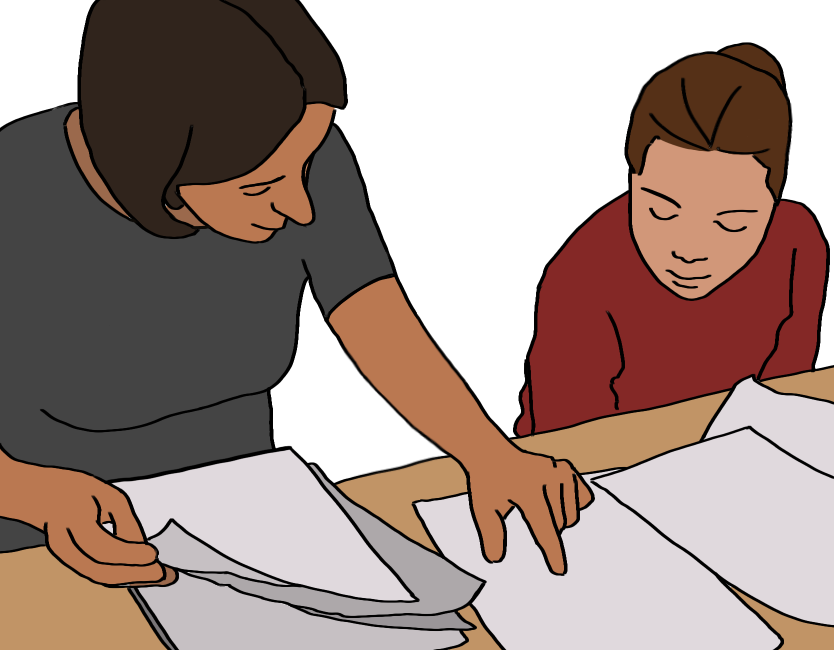
A more uncommon method of teaching, the older you are, is differentiated instruction.
This method is tailored to a student’s needs in the classroom, and everyone is at their own different pace.
This method in theory makes sense since everyone has their own preference on learning and how they pick up information the best – some kids are visual learners, some are auditory – however, many classes still go by a “one-size-fits-all” mindset.