PSA: Bullying: How to spot it and how to stop it



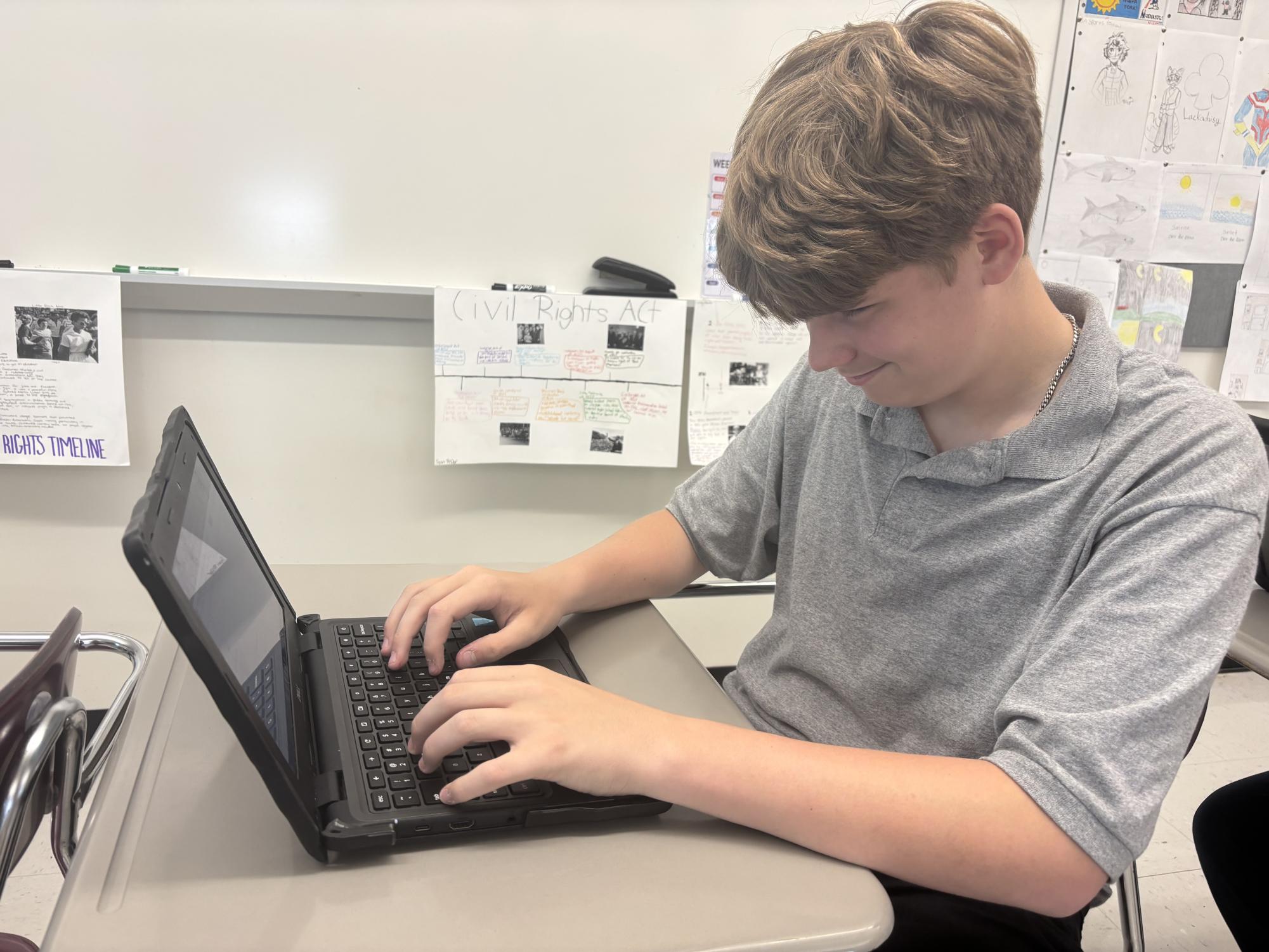
Back in the day, bullying meant verbal or physical harm, but in the 21st century, it has evolved into cyberbullying. Cyberbullying involves people online making comments or posts to harm or criticize others, taking advantage of being able to hide behind the screen. This gives the bully an advantage because the other person being bullied won’t be able to do anything about the problem. This form of bullying is on the rise through platforms like TikTok, Instagram, and YouTube, and is considered one of the most dangerous types. One way to stop cyberbullying is to take breaks from social media and to try keeping things about you off the web. Bullying in any form is horrible and taints our lives, but cyberbullying presents a new, harmful type of it.
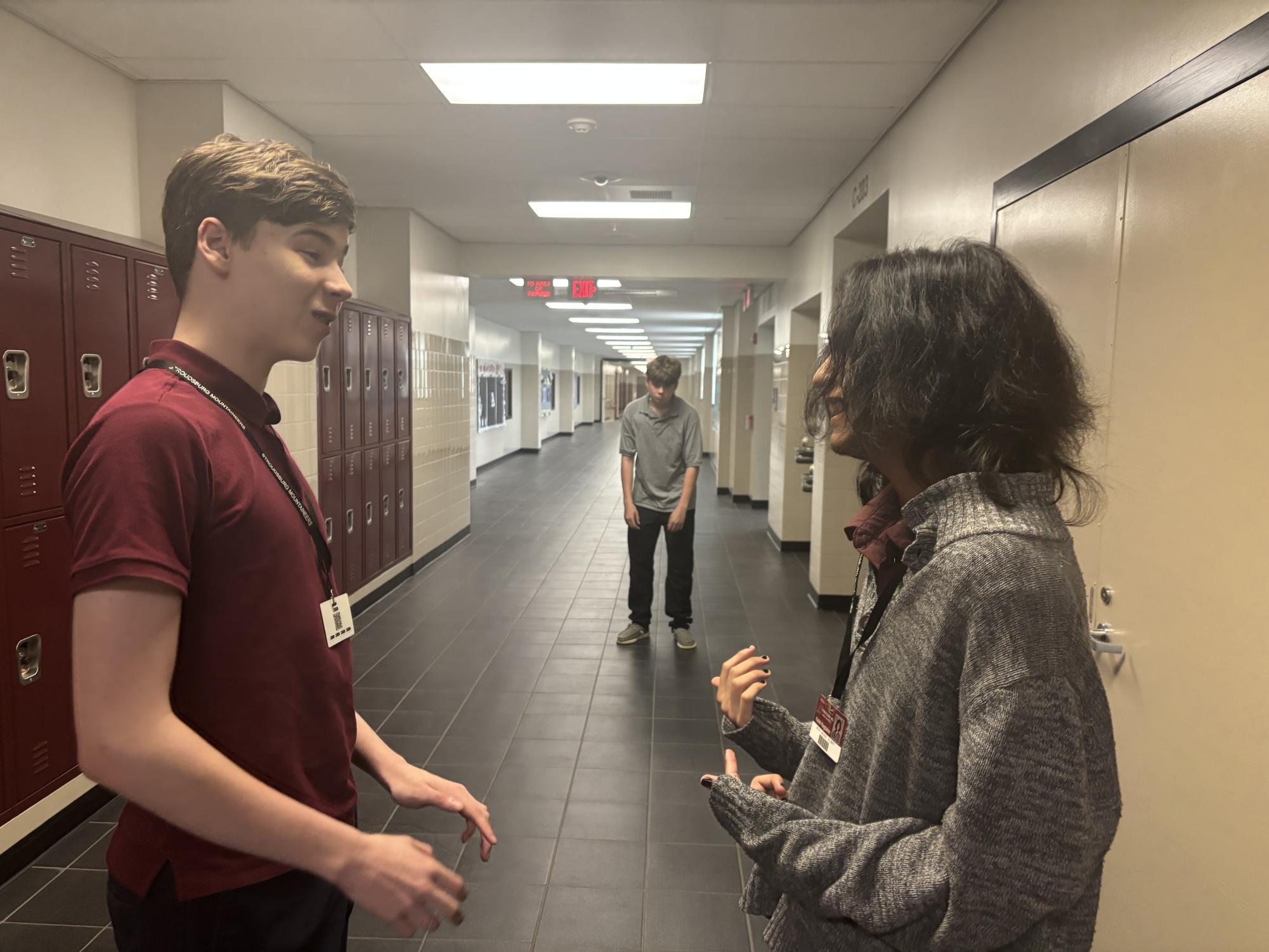
Around 22% of all students aged 12-18 are victims of social bullying, but most people don’t even know what that means. Social bullying is a form of bullying that involves damaging the victims’ reputation and social status. Some examples of social bullying include spreading rumors, excluding others, and embarrassing people in public, but there are also indirect forms of social bullying as well. Forms of incorrect bullying include ignoring people, not inviting people to events, and influencing someone’s friends. At times, indirect social bullying is very hard if not impossible to identify. There are many ways to prevent social bullying once it is identified by contacting trusted authority figures. But most importantly never ignore bullying no matter what.

Verbal Bullying is a form of bullying where the bully uses their voice to yell loud noises or shout insulting phrases. These can be just mean or derogatory based on the victim’s skin color, sexuality, or religion. Verbal Bullying is often reported as the most common kind of in-person bullying, as it is very easy to make others feel scared and potentially in danger, due to their loud voice. Most bullies use verbal bullying as it is the easiest to start an altercation while avoiding physical danger. Verbal bullying can have a very strong effect on someone’s mental health, which may make them want to change religion, skin color, or sexuality. According to CNN, cruel words can have an equal impact to physical abuse.
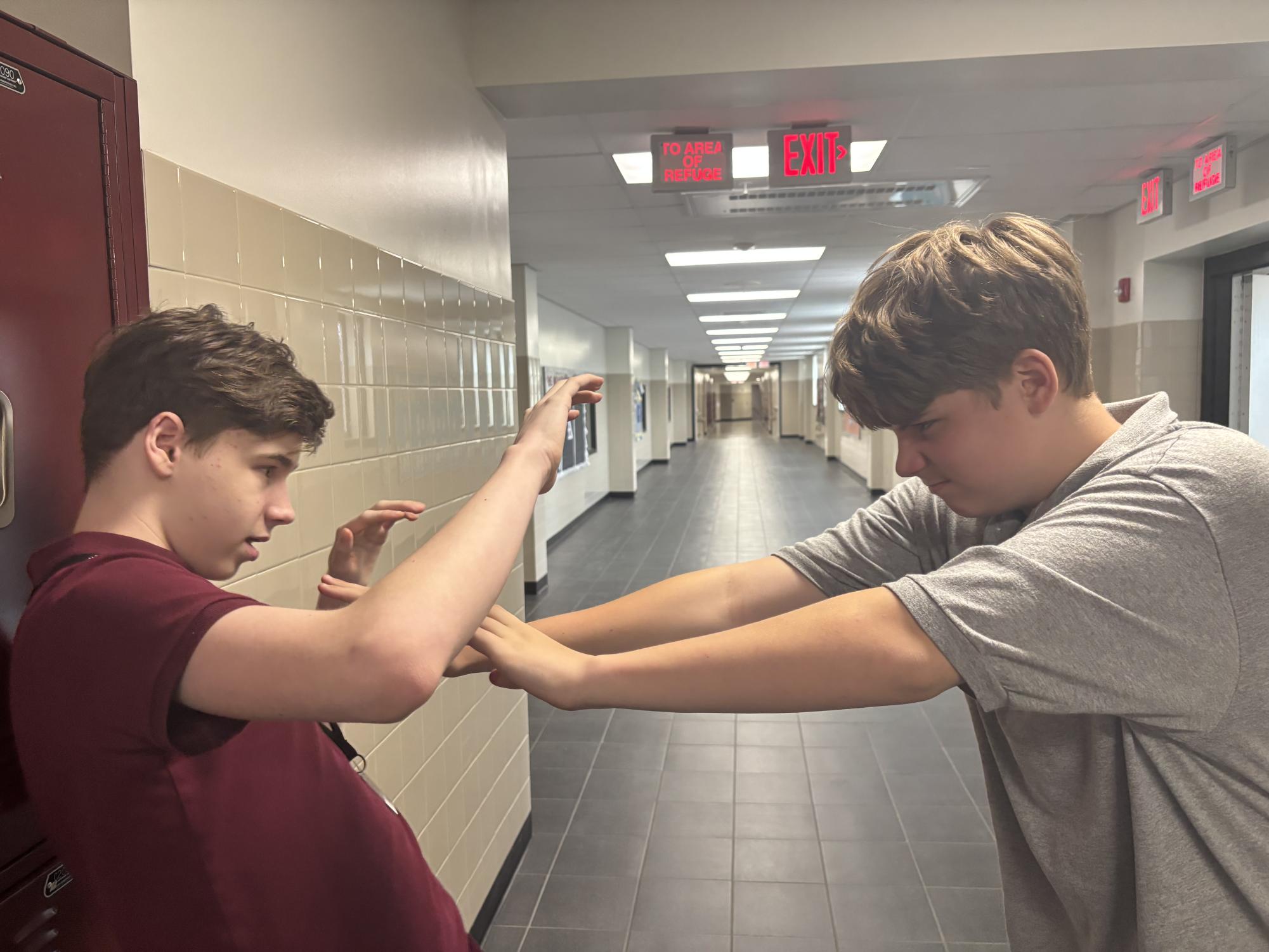
Other than verbally abusing others, bullies will also create conflict with physical harm. Physical bullying is when someone causes physical harm to the other in order to show that they’re the bigger person. This could be either punching, kicking, pushing, slapping, etc. Altercations like these could lead to hospitalization or, in the worst-case scenario, to court or even jail time. Physical altercations could be prevented by people using their words and being civil.

Prejudice is one of the most, if not the most, harmful types of bullying due to social impact and prevalence. Almost anyone can be a victim of prejudice whether it be because of their race, ethnicity, religion, or able-bodiedness. Being a victim of prejudice can lead to extreme feelings of loneliness and social ostracization. Prejudice is the act of discriminating against some due to factors out of their control. Prejudice can’t truly be prevented; by spreading kindness to people regardless of their gender, race, or religion, you can help stop prejudice.