SHS Food Pantry Initiative teaming up with FBLA


Most of the time, if a student is hungry at school, it is because they didn’t eat breakfast at home that morning. It might be because they have a late lunch, or just that they get hungry quickly.
Most kids solve this problem by bringing snacks to school to hold them over until it’s time to eat lunch.
What happens if the student didn’t have the ability to eat breakfast along with the other meals, and can’t afford snacks to bring to school on a daily basis?
That’s what the food pantry at our school hopes to abolish with the food pantry.
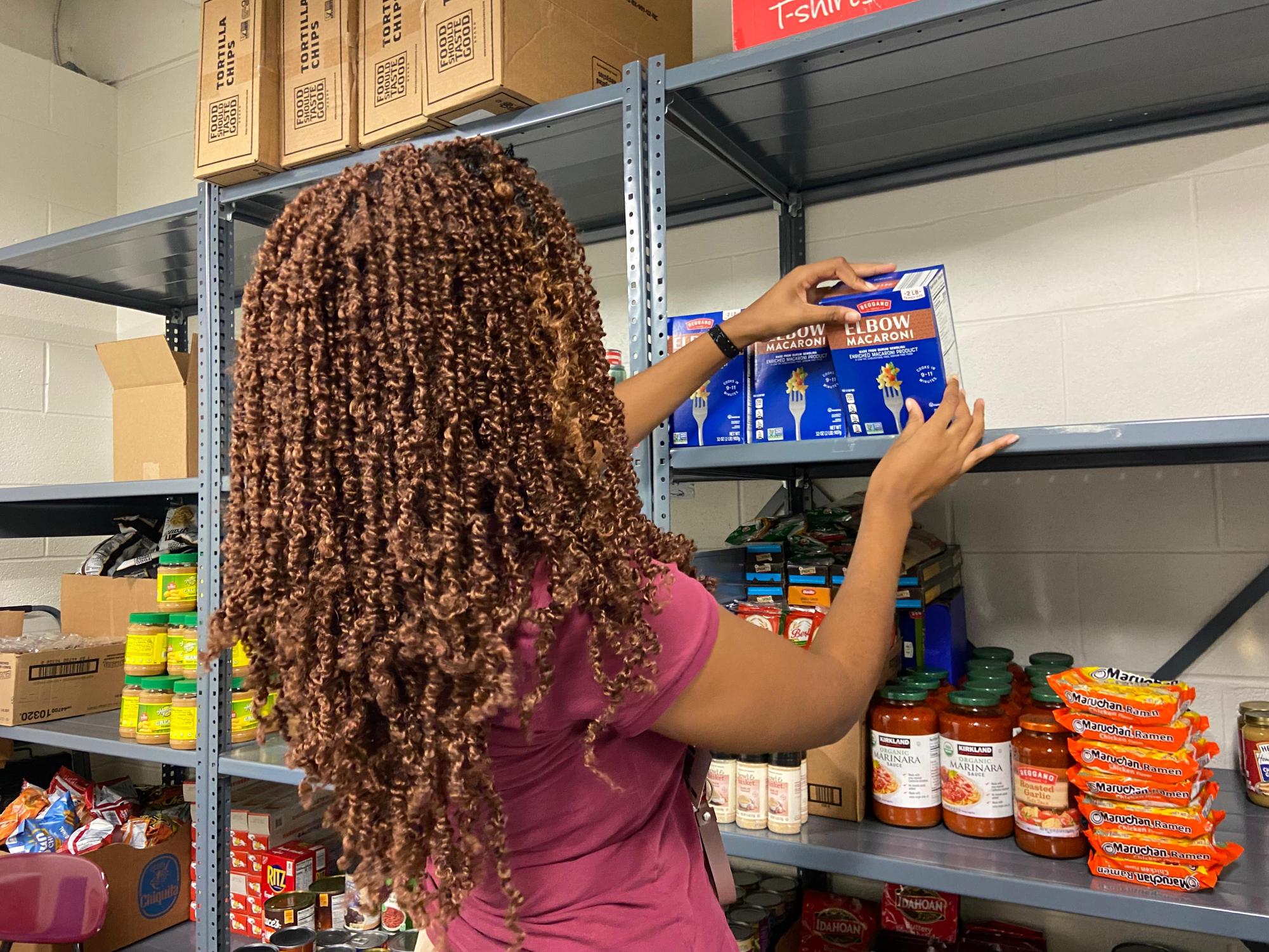
A food pantry, or food bank, is created to help families or individuals eat food in case they have any trouble keeping themselves from going hungry. It’s usually controlled by churches and non-profit organizations.
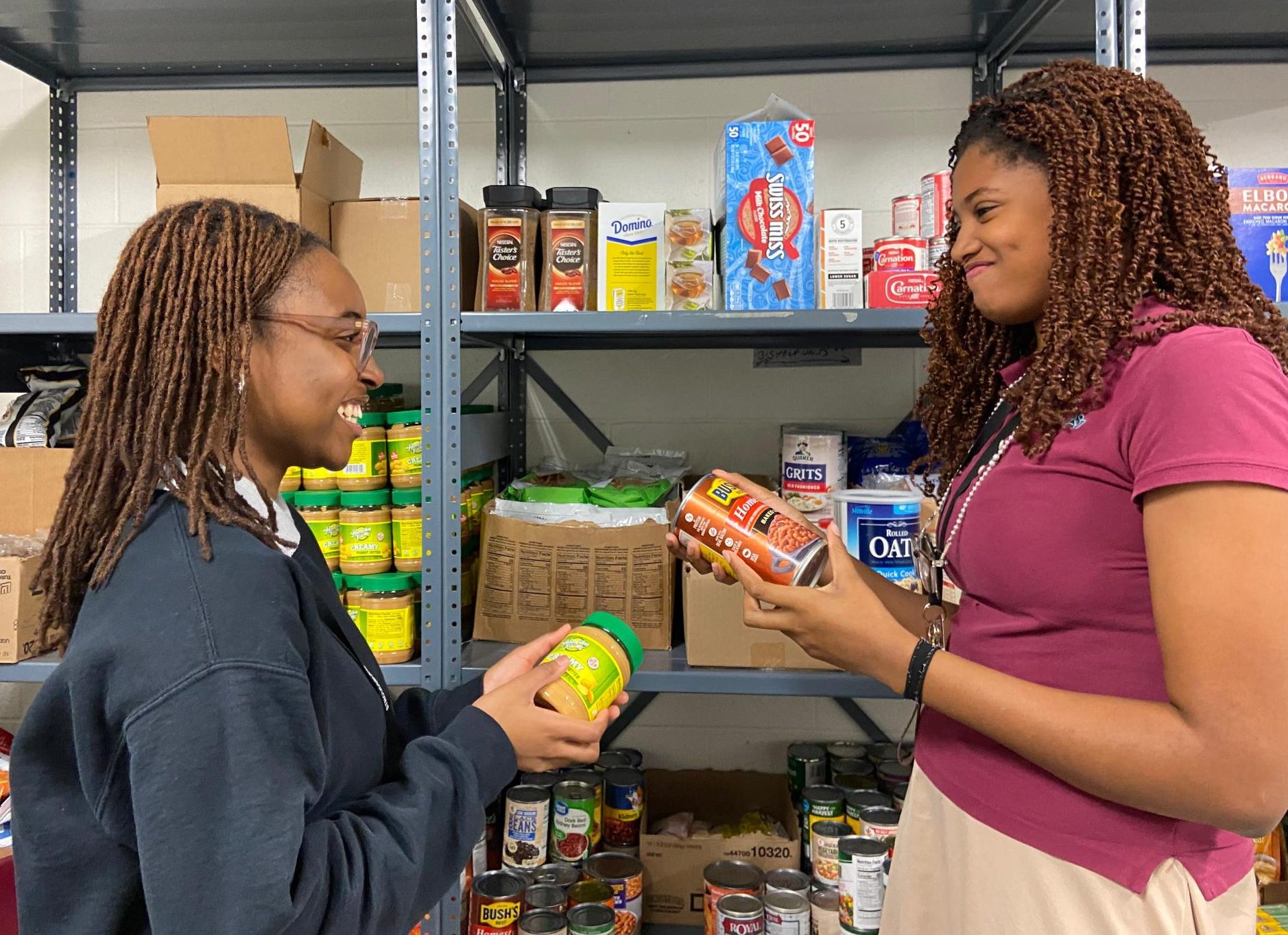
Stroudsburg High School (SHS) created a food pantry located within the school building to help kids who might not be able to eat fulfilling meals at home.
The program was implemented last year; however, it was much less well-known previously because it wasn’t as successful as it is currently. Last year, the system of receiving food and delivering it to students was not as efficient as it is this year.
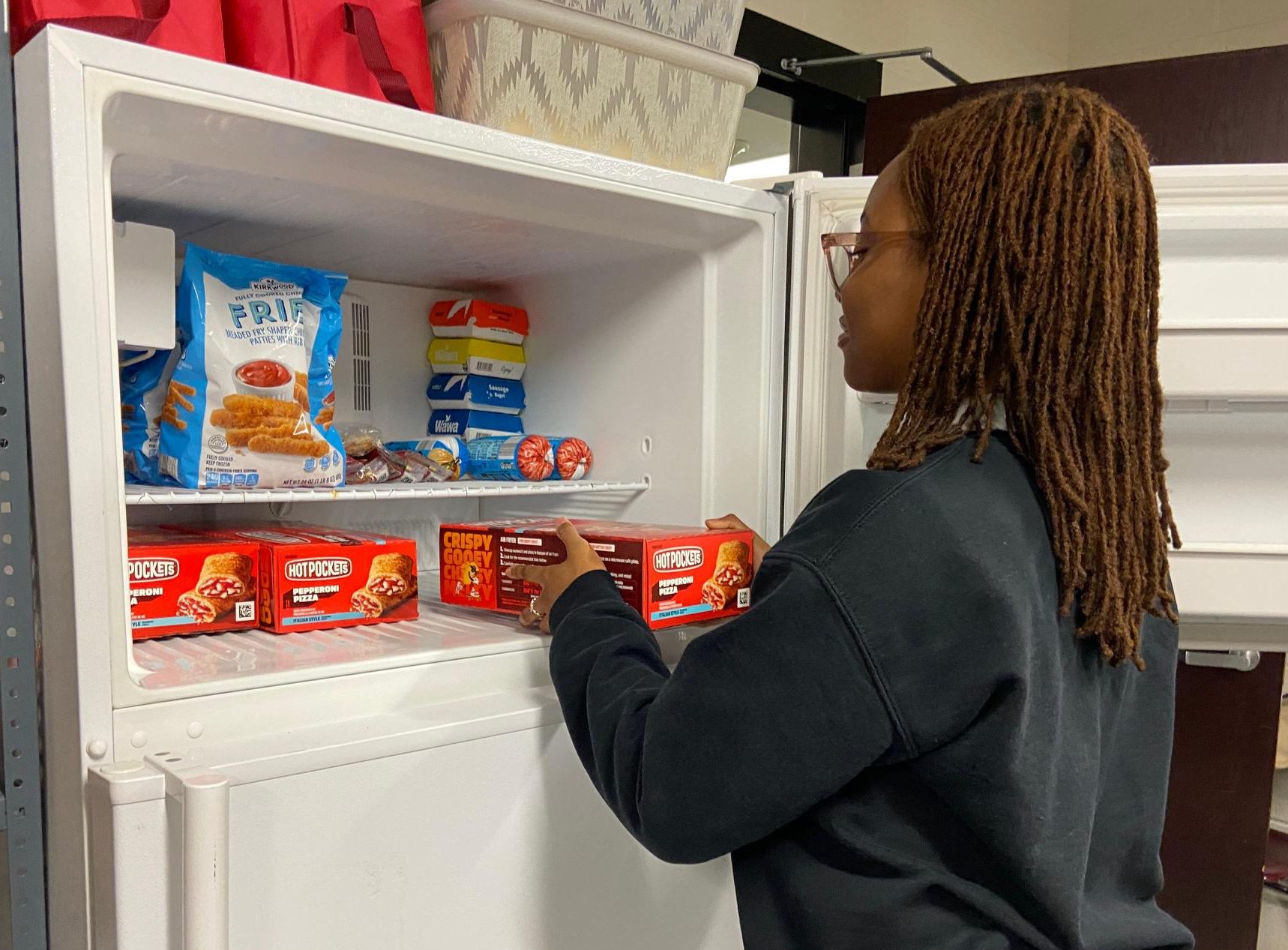
They have a refrigerator in the pantry room now, which makes storing food easier, but they need to install new shelves because they now have more food than they have storage space. The room this year is also closer to a school exit, which is very convenient for transporting goods.
Future Business Leaders of America (FBLA) is a club offered by SHS, and they are teaming up with the teachers in charge of the food pantry in order to get supplies for the food pantry, because it’s a struggle to keep it stocked.
They are setting up a food drive for Thanksgiving in order to sponsor families for good, healthy meals.
When the Mountaineer asked one of the teachers in charge of the program, Illene Austin, how she felt about collaborating with FBLA, she responded, “It’s amazing, and we wouldn’t be able to do the holiday program without your support. The way [FBLA] motivated all the students to get involved and send out the sign-up genius – it is just great to know that it’s students helping other students and families.”
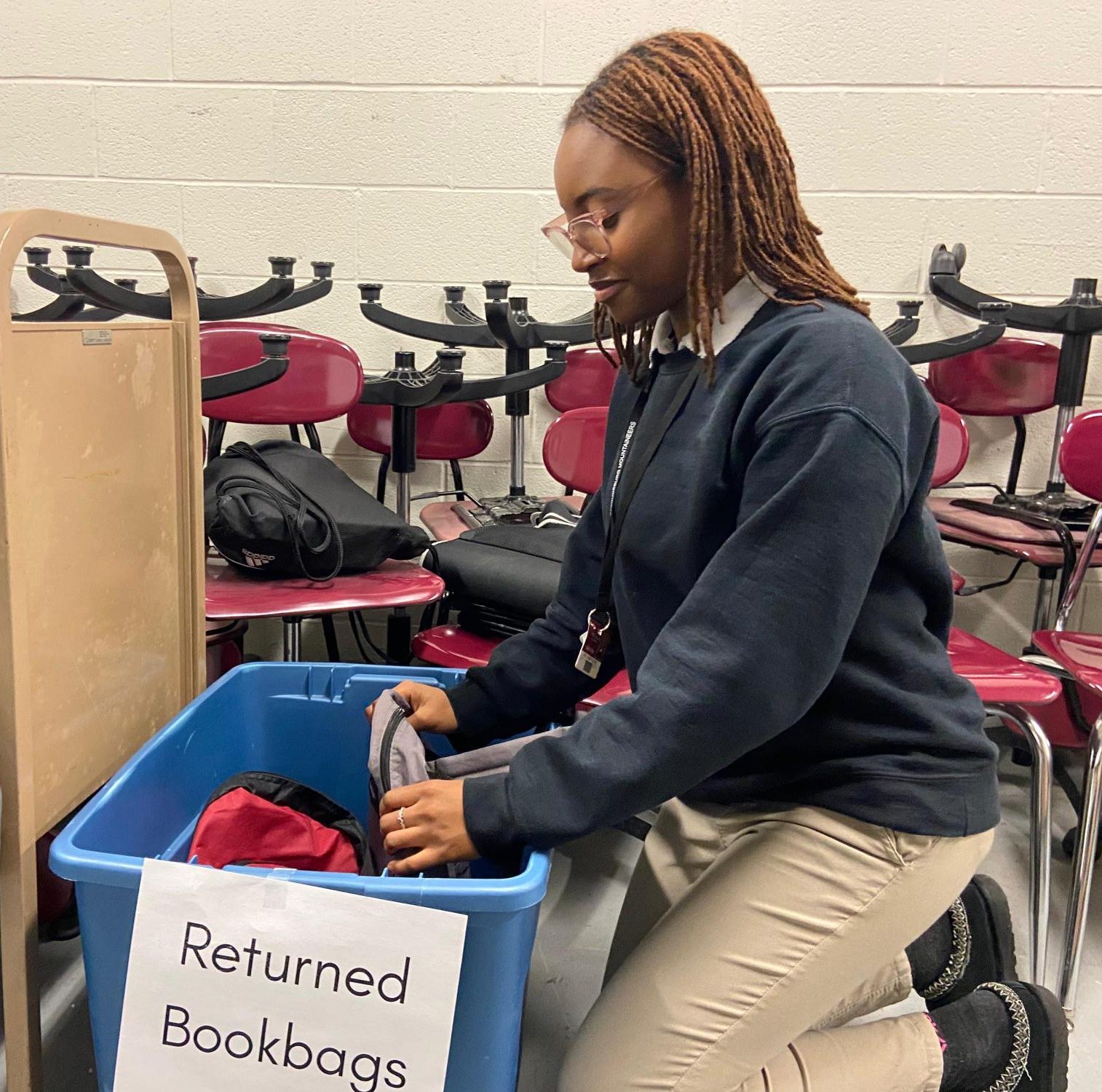
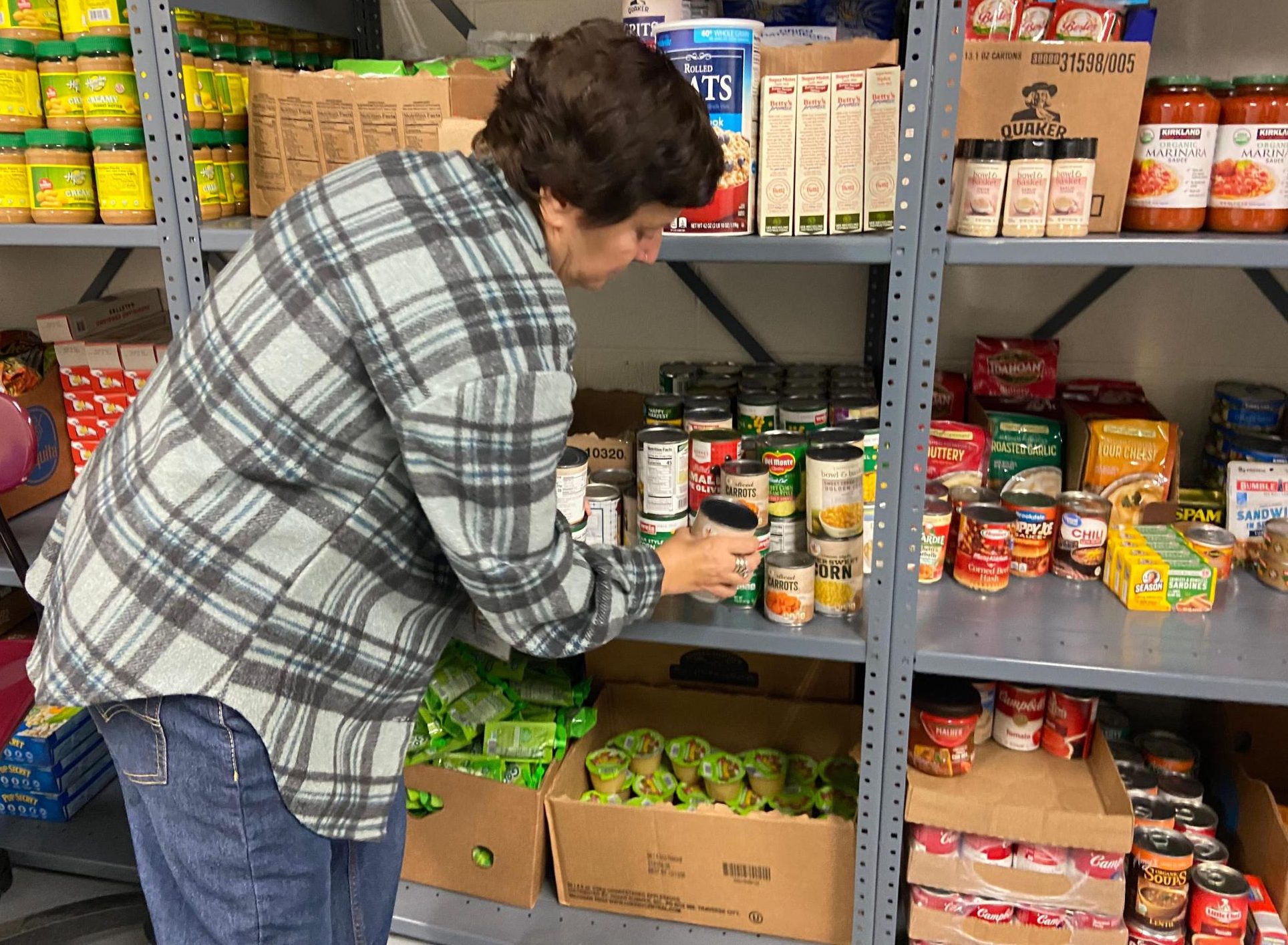
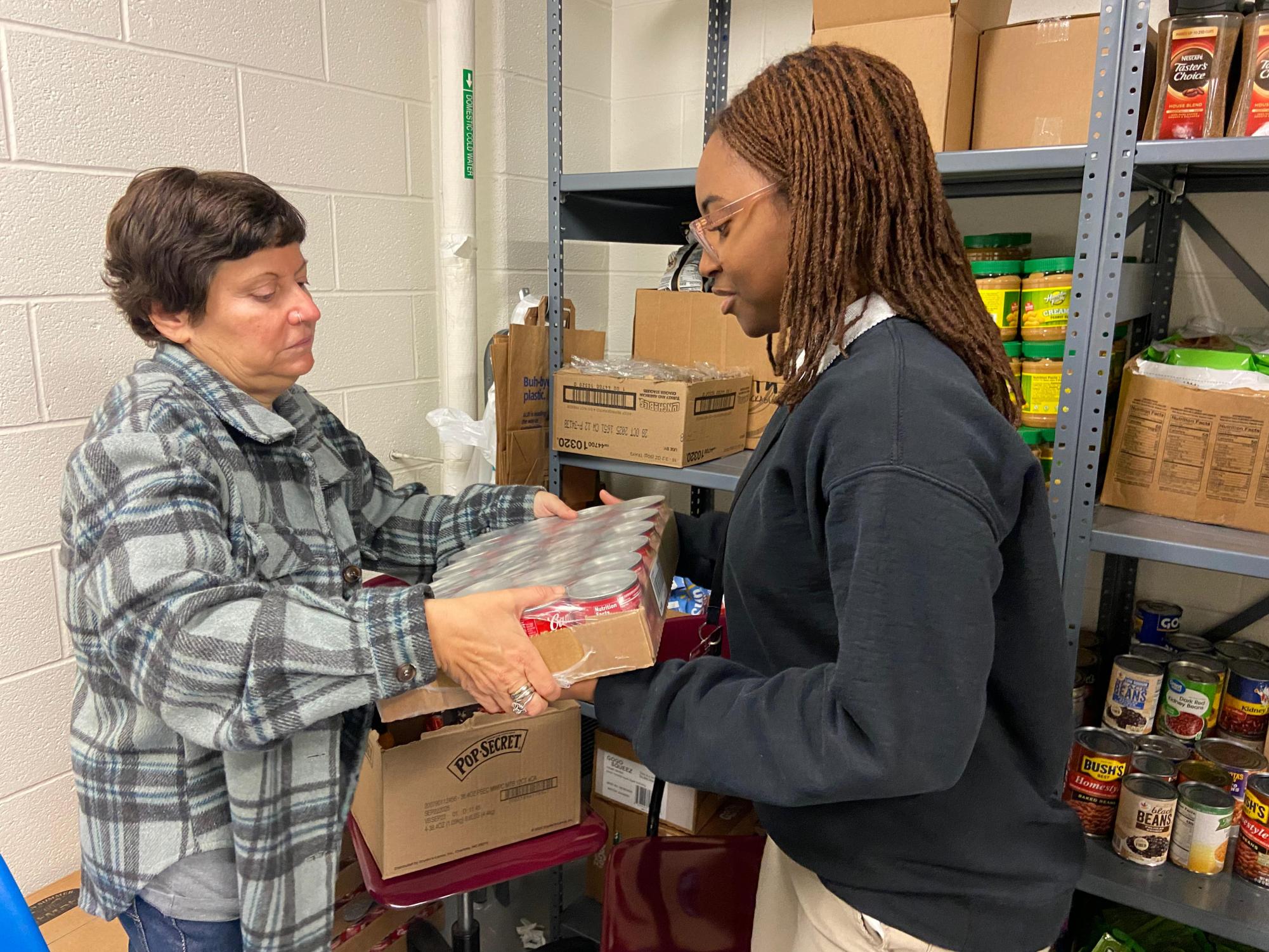
Teachers Maria Gondella and Ilene Austin nurture the program by keeping the pantry full of food, snacks, canned goods, etc.
Heidi Rodriguez, a Special Education teacher at SHS, takes her students down every Friday to pack regular-looking backpacks full of food and cans to deliver to the students in need.
The students who participate in packing the backpacks gain real-life work experience, including stocking shelves, managing food, and keeping track of supplies.
The backpacks are in order to keep the students from associating any negative feelings with help from the school.
The bags are delivered to the students at the end of the day on Friday, so they can take them home over the weekend and return them on Monday.
The school administrators, teachers, staff, and especially the nurse, regularly interact with hundreds of students each day, and they make sure to pay attention to every single student.
If they feel that something is off, they go to Mrs. Austin and tell her their concerns for the student. She responds to this unease by trying to talk to them and help them in any way she possibly can.
Currently, the food pantry regularly benefits 18 students with backpacks every week. These students might not receive supplemental food any other way, which shows how necessary the program is.
Sometimes, since maybe not everyone speaks up about their personal situations, Mrs. Austin sets out food pantry items in the main lobby, so students are able to grab whatever they feel like snacking on before going home.
The Supplemental Nutrition Assistance Program (SNAP) is a federal program offered to families who need help with buying groceries at stores and goods at farmers’ markets.
Not only do they help families, but they also help seniors and people with disabilities, too.
The federal government has been shut down for 42 days, and that has been affecting the SNAP program.
SNAP benefits halted on October 16, 2025, which means that families have had nothing to rely on for around a month.
According to Feedingamerica.org, one in every eight people goes hungry, and, even more concerning, one in every six children faces hunger.
These numbers are alarming and prompt us to take action and try to help our fellow classmates and neighbors.
FBLA did something similar last year, when they partnered up with Arlington Elementary School.
The goal last year was to help their existing backpack program, so the kids whose families couldn’t afford gifts could, at the very least, receive Christmas stockings filled with candy, toys, and some necessary materials like toothbrushes and socks.
The generous students at SHS managed to get 594 items in total, and because of them, 56 kids at Arlington had a happy, gift-filled Christmas.
This year, they are hosting a food drive in order to help gather canned goods and food for families who are not able to support themselves.
Austin shared, “The students have been wonderful in dropping things off and realizing that they might be lucky, but other kids aren’t as fortunate to have a meal every day. This has been a real godsend for some families, especially with everything going on in the economy right now. It’s even more relevant than it was last year, and we hope to continue to do this as long as we possibly can, as long as we have sustainable donations.
If you want to donate anything, please check out the SignUpGenius created by Ana Karataseva, ’27, one of the Community Chairpersons for FBLA.